
In the realm of estate planning, one term that often comes up is the living trust. But what exactly is a living trust, and how can it benefit you and your loved ones?
What is a Living Trust?
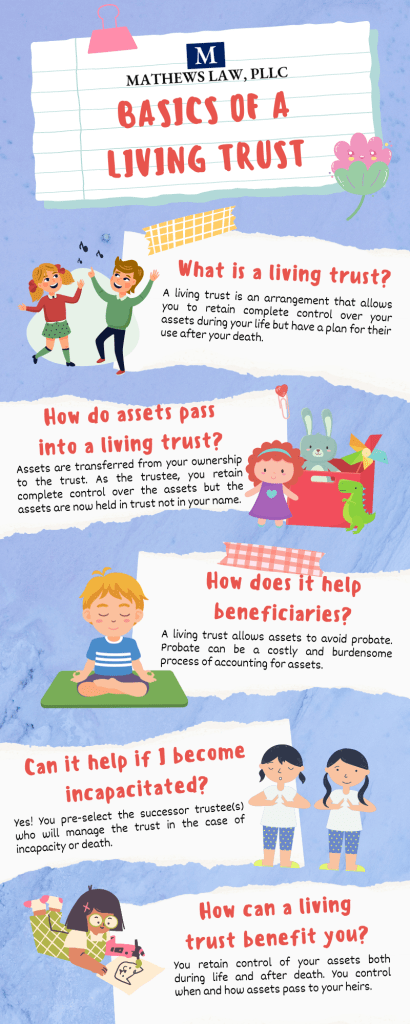
A living trust, also referred to as a revocable trust, is a legal arrangement in which an individual (the grantor or settlor) transfers ownership of assets into a trust during their lifetime. The grantor maintains control over the trust and can amend or revoke it as they see fit. Typically, the grantor also serves as the initial trustee, managing the trust’s assets.
The Benefits of a Living Trust
- Probate Avoidance: One of the primary advantages of a living trust is that it allows assets to bypass the probate process upon the grantor’s death. Probate can be a time-consuming and costly legal procedure, but assets held in a living trust can be distributed directly to beneficiaries without court intervention.
- Privacy: Unlike a will, which becomes a matter of public record when filed in probate court, a living trust offers privacy. The terms of the trust agreement remain confidential, providing discretion regarding asset distribution and beneficiaries.
- Flexibility: Living trusts are versatile estate planning tools that can be tailored to meet individual needs and goals. They can include provisions for managing assets during incapacity, ensuring seamless transition and management of affairs if the grantor becomes incapacitated.
- Continuity: A living trust allows for the seamless transfer of assets to beneficiaries upon the grantor’s death, providing continuity and avoiding delays in asset distribution.
- Protect Assets Going to Minors: Unlike a will, a living trust can continue to exist after you die. The trust can hold assets for minor beneficiaries, who should not receive assets directly. The trust contains your instructions for how those assets should be used, and when your beneficiaries receive their funds after they become adults. (Related: How Would Your Death Impact Your Child?)
Considerations for Implementation
While living trusts offer numerous benefits, they require careful planning and ongoing maintenance. For example, grantors must choose trustees to manage the trust’s assets and affairs. By understanding the purpose and benefits of living trusts and carefully considering implementation considerations, individuals can effectively plan for the future and ensure the seamless transfer of assets to loved ones.
When you’re ready, we’re ready. Schedule a time to chat to get started.
2 responses to “Understanding Living Trusts”
[…] Establish a Living Trust: Transferring assets into a revocable living trust allows them to bypass probate and be distributed directly to beneficiaries upon your passing. […]
[…] Understanding Living Trusts […]